
What Is IPTV? Complete Irish Guide to Internet TV 2025
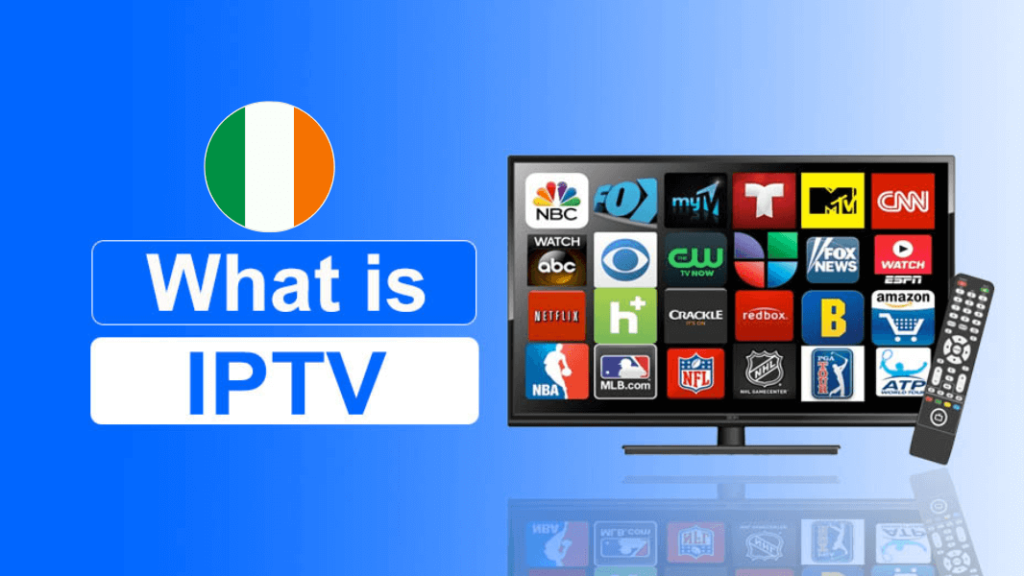
Understanding what is IPTV has become essential for Irish households exploring modern television alternatives. Moreover, as traditional broadcasting methods evolve and internet speeds improve across Ireland, more viewers are discovering the flexibility and convenience of internet-based television. Therefore, this comprehensive guide explains everything you need to know about this increasingly popular technology.
What Is IPTV Technology?
IPTV stands for Internet Protocol Television, which delivers television content through internet connections rather than traditional terrestrial, satellite, or cable formats. Essentially, this technology converts television signals into digital data packets that travel through your broadband connection to your viewing devices. Furthermore, IPTV represents a fundamental shift in how people consume television content in the modern digital age.
Unlike conventional broadcasting that sends signals to all viewers simultaneously, IPTV delivers content on-demand directly to individual users. Additionally, this technology allows viewers to watch what they want, when they want, rather than following fixed broadcast schedules. The system uses the same internet infrastructure that powers your web browsing and email.
IPTV encompasses several service types including live television, video on demand, and time-shifted programming. Consequently, viewers enjoy unprecedented control over their viewing experience. Irish providers increasingly offer IPTV options as broadband infrastructure continues improving nationwide.
How IPTV Technology Works
The technology operates through a sophisticated yet straightforward process. Initially, content providers encode television programmes into digital format suitable for internet transmission. Then, these encoded streams travel through internet networks to reach subscriber devices.
Your broadband connection serves as the delivery pathway for IPTV content. Meanwhile, specialised set-top boxes, smart TVs, or applications decode the incoming data streams and convert them back into viewable television programmes. However, the quality of your experience depends significantly on your internet connection speed and stability.
IPTV systems typically use three main delivery methods. Live television streams content in real-time, similar to traditional broadcasting. Video on demand allows viewers to select programmes from libraries and watch them at convenient times. Furthermore, time-shifted television lets users pause, rewind, or replay live broadcasts.
The technology employs multicast or unicast protocols depending on the service type. Multicast efficiently delivers the same content to multiple viewers simultaneously, whilst unicast provides individual streams to each user. Additionally, adaptive streaming automatically adjusts video quality based on available bandwidth, ensuring smooth playback even when connection speeds fluctuate.
How to Access IPTV Services in Ireland
Irish consumers can access IPTV through various legitimate providers operating across the country. First, major telecommunications companies like Virgin Media and Sky offer IPTV services bundled with broadband packages. These established providers ensure reliable service and proper content licensing.
RTÉ Player represents Ireland’s public broadcaster’s entry into IPTV technology. Moreover, it provides free access to RTÉ channels and on-demand content for anyone in Ireland with internet access. Similarly, other Irish broadcasters offer streaming platforms that utilise IPTV technology.
International streaming services including Netflix, Amazon Prime Video, and Disney+ also operate using IPTV principles. Therefore, when you stream content from these platforms, you’re essentially using IPTV technology. These services have become increasingly popular across Irish households.
To begin using IPTV in Ireland, you need adequate broadband speed. The Commission for Communications Regulation (ComReg) at comreg.ie provides information about broadband standards and consumer rights. Generally, you should have at least 10 Mbps for standard definition content, whilst high-definition streaming requires 25 Mbps or higher.
Step-by-Step Guide to Getting Started with IPTV
Follow these straightforward steps to begin your IPTV journey in Ireland:
Step 1: Assess your current broadband connection speed using online speed testing tools. Ensure your connection meets minimum requirements for the content quality you desire.
Step 2: Research legitimate IPTV providers available in your area. Compare their channel offerings, pricing structures, and customer reviews from other Irish users.
Step 3: Determine which devices you’ll use for viewing. Modern smart TVs often include built-in IPTV applications, whilst older televisions require set-top boxes or streaming devices.
Step 4: Contact your chosen provider and select an appropriate package. Many Irish providers offer bundled deals combining broadband and IPTV services at competitive rates.
Step 5: Schedule installation if required. Some providers send technicians to set up equipment, whilst others offer self-installation options with detailed instructions.
Step 6: Connect your IPTV device to your home network. Wired Ethernet connections provide more stability than wireless, though modern Wi-Fi often suffices for most viewing needs.
Step 7: Follow the provider’s activation process. This typically involves creating an account, entering subscription details, and configuring basic settings.
Step 8: Explore the electronic programme guide to familiarise yourself with available channels and features. Most IPTV systems offer intuitive interfaces for easy navigation.
Step 9: Test various channels and features including pause, rewind, and recording functions. Ensure everything operates correctly before your trial period expires.
Step 10: Optimise your setup by adjusting picture settings, organising favourite channels, and exploring additional features like parental controls or multi-screen viewing.
Essential Tips for Optimal IPTV Performance
Maximising your IPTV experience requires attention to several key factors. First, prioritise a stable internet connection by using wired connections whenever possible. Ethernet cables eliminate wireless interference that can cause buffering and quality drops.
Position your router centrally in your home to ensure strong signal coverage throughout all rooms. Moreover, consider upgrading to a modern router that supports the latest Wi-Fi standards if you’re using wireless connections. Additionally, reduce network congestion by limiting simultaneous high-bandwidth activities during peak viewing times.
Keep your IPTV equipment and applications updated with the latest software versions. Manufacturers regularly release updates that improve performance, fix bugs, and add new features. Therefore, enabling automatic updates ensures you always benefit from these improvements.
Monitor your data usage if you have broadband caps or fair usage policies. Furthermore, streaming high-definition content consumes significant bandwidth, particularly if multiple household members watch simultaneously. Contact your internet service provider about unlimited plans if data limits become restrictive.
Secure your network with strong passwords to prevent unauthorised access that could affect your streaming quality. Additionally, consider using quality of service (QoS) settings on your router to prioritise IPTV traffic over less time-sensitive internet activities.
Familiarise yourself with your provider’s customer support resources. Most legitimate Irish IPTV providers offer comprehensive help sections, online chat support, and telephone assistance. Don’t hesitate to contact them when experiencing technical difficulties or questions about your service.
Finally, explore all features your IPTV service offers. Many providers include extras like catch-up television, cloud recording, and multi-device viewing that significantly enhance your entertainment options. Taking time to learn these features ensures you get full value from your subscription.
Conclusion
With the right approach, you can easily get started with what is IPTV in Ireland and transform your television viewing experience. This technology offers unprecedented flexibility, allowing you to watch content on your schedule rather than following rigid broadcast timetables. As Irish broadband infrastructure continues improving, IPTV becomes increasingly accessible and reliable for households nationwide. Research your options carefully, choose legitimate providers, and ensure your internet connection meets requirements for the best possible experience.